Digital Asset Management for Visual Collections: Concepts and Best Practices
This session builds DAM literacy for GLAM professionals who work with digital images every day but aren't system administrators. We'll explore how digital asset management functions as institutional infrastructure, how it fits alongside your CMS and other systems, and why governance is central to everything, from access controls to AI. Through a mix of discussion, real-world scenarios, and a small group activity, participants will leave with shared language, a clearer picture of why DAM works as it does, and practical questions to bring back to their institutions.
Learning Outcomes
Explain what a digital asset is and how DAM functions as institutional infrastructure rather than a standalone tool
Distinguish DAM systems from collection management systems and digital preservation platforms, and describe how they work together
Identify how governance operates at strategic, tactical, and operational levels, and recognize who is best positioned to make different kinds of DAM decisions
Describe how metadata, access controls, and system integration support consistent, sustainable digital collections work
Apply a governance framework to real-world DAM scenarios to analyze where decisions land and what structures help them land effectively
Your Instructor
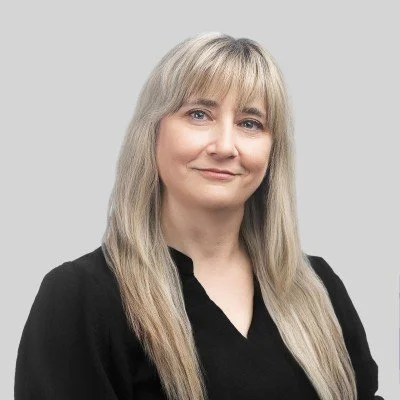
Amy Rudersdorf
Director, Consulting Operations, AVP
Amy Rudersdorf brings nearly 25 years of experience helping organizations make smart, future-focused decisions about managing and maximizing the value of their digital assets. At AVP, she has supported dozens of GLAM institutions, nonprofits, and Fortune 500 organizations through DAM selection, requirements gathering, RFP development, and implementation planning, with recent work spanning large public libraries, museums, mission-driven nonprofits, audiovisual collections, and a major music-streaming service. Her work is grounded in a human-centered approach that aligns people, process, and technology, informed by hands-on experience running DAM and digital preservation programs in academic, government, and nonprofit settings.