Exploring Digital Collections Platforms
This session runs as two parallel tracks — choose the session that best fits your interests and the tools you're most likely to encounter in your work.
Track 1: Omeka
This session will provide an overview of Omeka Classic and Omeka S, two open-source web publishing platforms for sharing digital collections and creating media-rich exhibits. Omeka Classic is best for individual projects and instructors. Omeka S is best for institutions with a shareable pool of resources across multiple sites. Both allow you to bring your collections alive in a digital space. You will also learn how both platforms are compatible with VRA description standards and how to implement them on each platform. By the end of the session, you will have the tools and information you need to begin (or continue!) using Omeka S or Classic to publish your collections and content to the web.
Track 2: ResourceSpace
This session will provide an overview of working with ResourceSpace, an open source Digital Asset Management (DAM) platform. It will cover the fundamentals of organising, tagging, and managing digital assets such as images, videos, documents, and audio files. Participants will learn how to create asset records using standardised metadata fields, harness and monitor AI tools to improve workflows, optimise media for various outputs, and provide day to day administration of the DAM. The session will also highlight methods for sharing digital assets both internally and externally. Attendees will be encouraged to create their own free instances of ResourceSpace, using either an empty system or preset template, and to continue practicing and building their skills at their own pace.
Your Omeka Instructor
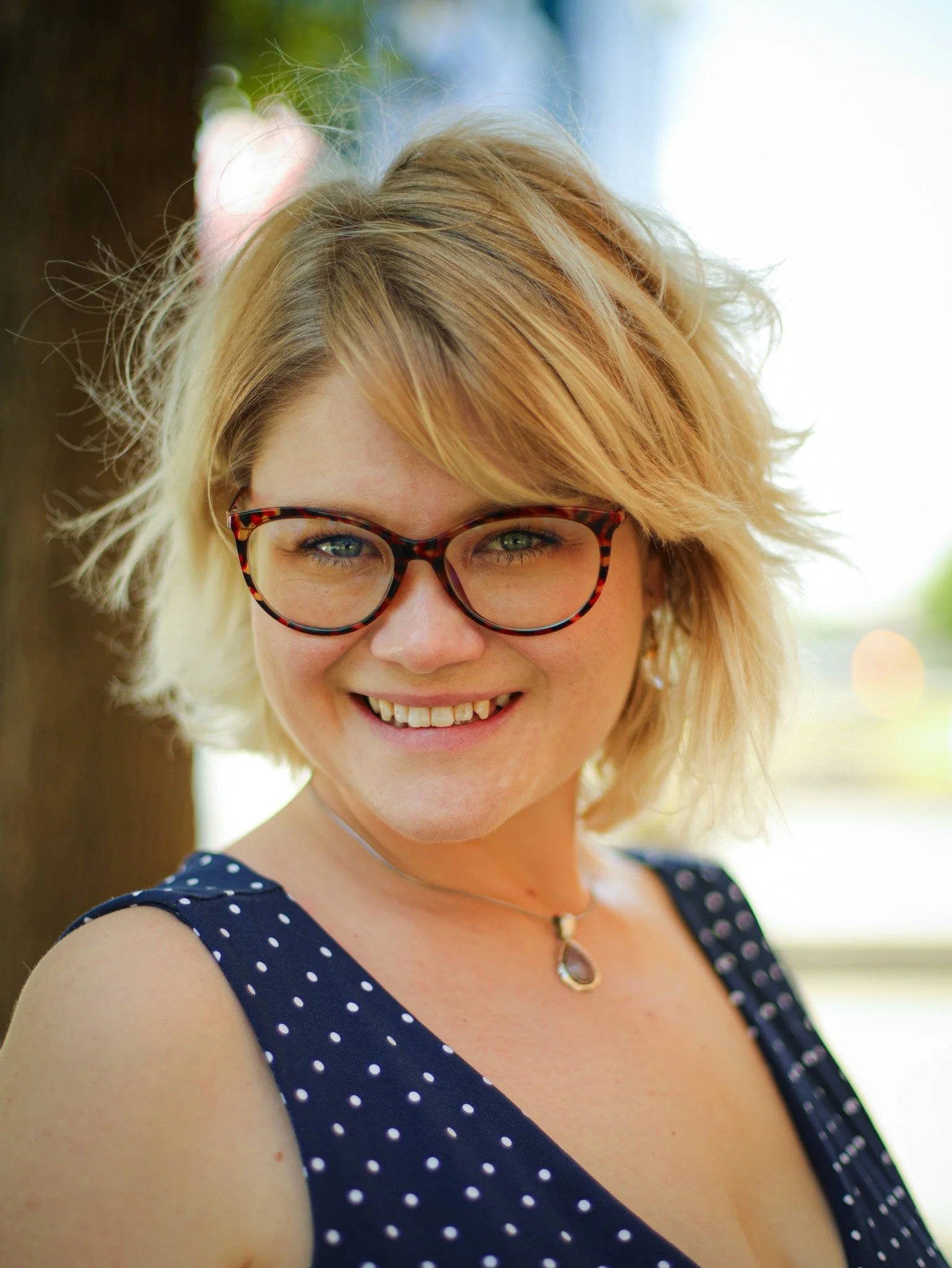
Dani Willcutt
Omeka Training Specialist, Corporation for Digital Scholarship
Dr. Dani Willcutt is the Omeka Training Specialist for the Corporation for Digital Scholarship. Since 2024, Willcutt has worked with Omeka creators from around the world. Previously, she was an instructor at the Lab for Education and Advancement of Digital Research (LEADR) at Michigan State University, a researcher at the Matrix Center for Digital Humanities and Social Sciences, and a Digital Humanities Specialist at the Roberson Project for Slavery, Race, and Reconciliation at the University of the South. Her research revolves around issues in food and labor, including the American restaurant industry. Willcutt is also a consultant who promotes creative methods for managing personal collections and cultural heritage. She lives in Detroit.
Your ResourceSpace Instructor
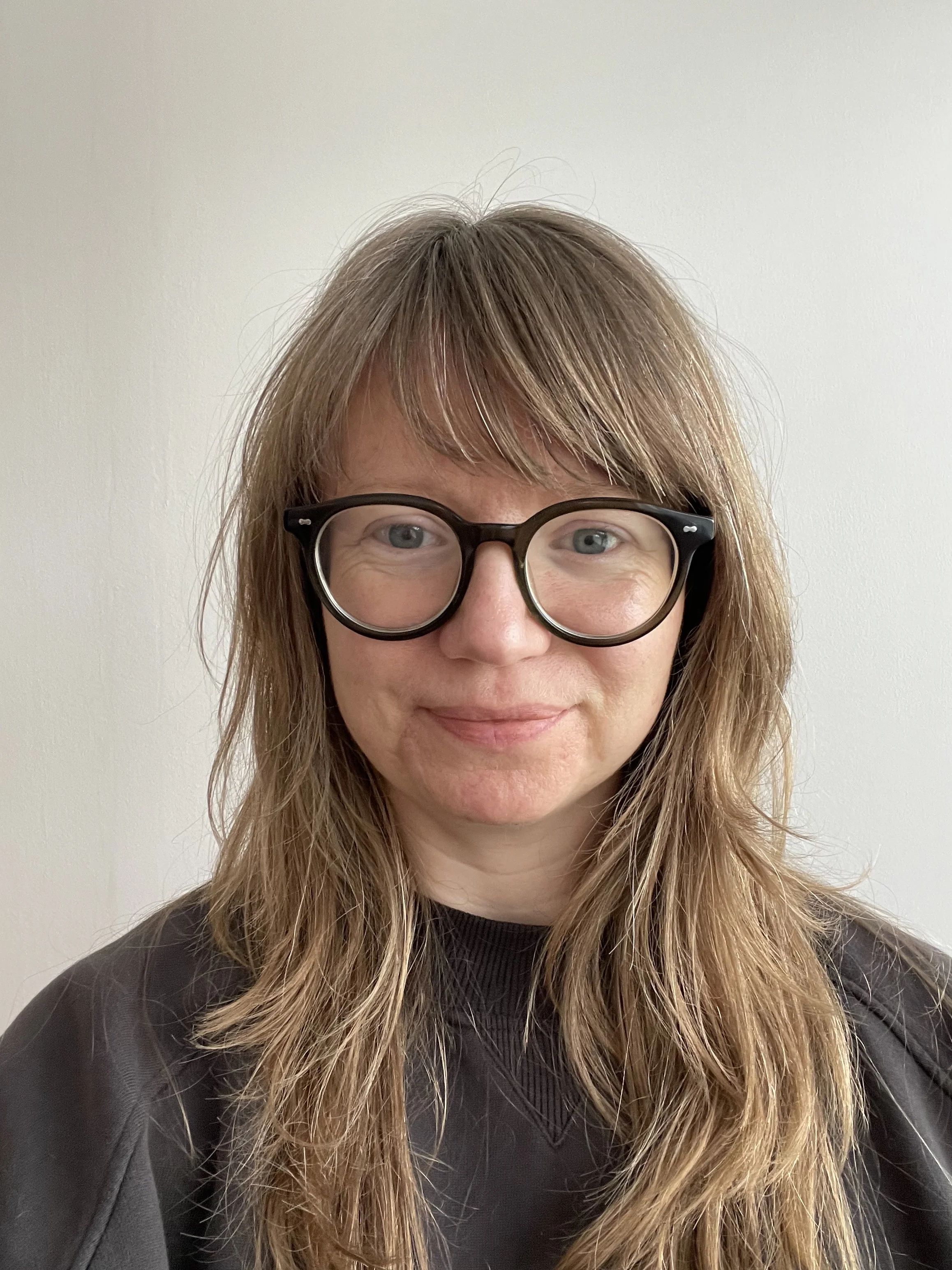
Mel Francis
Arts & Heritage Specialist, ResourceSpace
Mel has been with Montala (the company behind ResourceSpace) since 2022, working as an in-house Arts & Heritage Specialist to deliver onboarding, training, and consultancy for a wide range of ResourceSpace users. Previously, Mel has worked in archives, data analysis, and digital collections management, collaborating with UK institutions such as Art Fund, Royal Academy of Arts, and The Leach Pottery alongside global clients including Oxfam, IKEA, and Starbucks. She has a PhD in Art History from the University of Nottingham, and lives in Cornwall, where she also co-runs an independent art library and project space.
Learning Outcomes for Track 1 (Omeka)
By the end of the workshop, you will be familiar with how you can use the Omeka platforms as your content management system and for publishing your content to the web. You will also know how to:
Use the Omeka platforms for your own project
Use the Omeka Classic VRA Core Plugin
Customize and tailor resource descriptions in Omeka S to adhere to VRA standards, including the VRA Vocabulary
Learning Outcomes for Track 2 (ResourceSpace)
Understand the fundamentals of a DAM platform and how it transforms digital asset workflows
Gain hands-on experience using a DAM to organise, tag, and upload media files, creating a well-structured asset library
Master the use of metadata to enhance asset discoverability, reusability, and searchability, considering technical field types while also understanding how to handle secondary or alternative files and related resources
Consider best practices for optimising file types, sizes, and formats for various use cases, from web publishing to high-resolution print
Explore how to automate workflows, ensuring smooth collaboration and efficient administration
Learn how to share and distribute assets, both internally and externally
Future-proof your digital assets by understanding how DAM can scale and evolve with your organisation's needs.